Essential Indoor Gardening Supplies for Thriving Houseplants
Indoor gardening has become a popular hobby for many, allowing plant enthusiasts to create their own green sanctuaries within the comfort of their homes. To ensure your houseplants not only survive but thrive, having the right supplies is crucial. In this buyer's guide, we will explore the essential indoor gardening supplies that will help you cultivate a flourishing indoor garden.
Quality Potting Soil
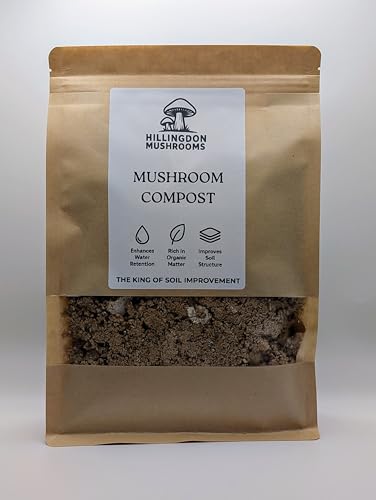
The foundation of any healthy houseplant is good potting soil. Unlike garden soil, potting soil is specially formulated to retain moisture, provide good drainage, and supply essential nutrients. Look for a high-quality potting mix that is peat-based or contains coconut coir for excellent water retention. Additionally, consider a mix that includes perlite or vermiculite to enhance aeration. This combination will give your plants the nutrition they need while preventing root rot.
Appropriate Pots and Containers
Choosing the right pots is equally important as selecting the right soil. Ensure that your pots have drainage holes to allow excess water to escape, preventing waterlogging. Terracotta pots are a popular choice, as they are breathable and help regulate moisture levels. For a more modern look, ceramic or plastic pots are available in various styles and colours. Remember also to consider the size of the pot; your plants will need room to grow, so select a container that is appropriate for their current size and future growth.
People Also Look For:
- KORAD White with Silver Flecks Indoor Plant Pots with Drainage Holes and Matching Saucer, Round, Modern and Decorative Flowerpot f...
- The Propagation Handbook: A guide to propagating houseplants
- Not Another Jungle: Comprehensive Care for Extraordinary Houseplants
- PLANT PROPAGATION 101: The Ultimate Guide to Propagating Houseplants, Herbs, and Vegetables from Cuttings, Division, and Seeds
- Syylqyr 20 PCS Plant Watering Devices, Transparent Plant Watering Globes, Automatic Waterers Aqua Ball Drip Feeders for Potted Hou...
Watering Can with a Long Spout
Proper watering is vital for the health of your houseplants. A watering can with a long spout allows for precise pouring, making it easier to reach the soil without splashing water on the leaves. This is particularly useful for plants that prefer moist soil but dislike getting their foliage wet. Opt for a lightweight can that is easy to handle, preferably with a comfortable grip.
Fertilisers and Nutrients
To promote healthy growth, houseplants require nutrients that may not be sufficiently present in potting soil alone. Liquid fertilisers are an excellent option for indoor plants, as they can be easily mixed with water during regular watering sessions. Look for a balanced fertiliser labelled for houseplants that contains essential micronutrients. Organic options, such as fish emulsion or seaweed extract, are also available and provide a more natural feeding method.
Humidity Meters
Most houseplants thrive in humid environments, and the dry air commonly found in homes can be detrimental to them. A humidity meter allows you to monitor the moisture levels in your home and adjust accordingly. If you find that your indoor air is too dry, consider investing in a humidifier or grouping your plants together to create a microclimate. Regular misting can also help increase humidity levels around your plants.
Grow Lights
Not all homes receive adequate natural light, which can hinder plant growth. Grow lights are an excellent solution to this problem, providing the spectrum of light that plants need for photosynthesis. LED grow lights are energy-efficient and long-lasting, making them a great choice. Ensure you choose a light that matches the needs of your specific plants, as different varieties require varying amounts of light.
Gardening Tools
Having the right tools can make indoor gardening much easier. Essential tools include a trowel for planting, pruning shears for maintaining your plants, and a hand cultivator for soil aeration. A pair of gardening gloves can also keep your hands clean while protecting them from thorns or sharp foliage. Investing in these tools will help you maintain your indoor garden with ease.
Pest Control Products
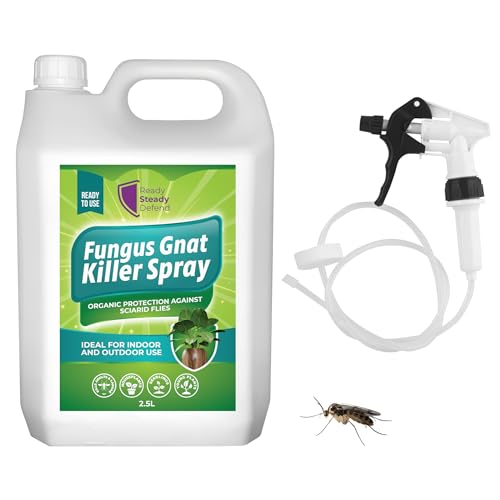
Even in indoor settings, pests can become a nuisance. Look for organic pest control products, such as neem oil or insecticidal soap, which are safe for use on houseplants. Regularly inspecting your plants for signs of pests and addressing them promptly can save you from extensive damage. Keep in mind that some plants may be more susceptible to pests than others, so always do your research on how to protect each type.